The band is never what ruins a corporate party. The surprise is. The venue that says "music is fine" and then turns the volume down at 9:30. The house rule nobody mentioned about who can touch the mixer. The stage that turns out to be a corner of carpet.
The short answer: yes, plenty of Seattle venues allow a live band or a DJ, 1712 Studios in SODO included. The real question is the limits, and most of them are not on the venue's website. Ask the 12 questions below before you sign, and get the answers in writing.
The 12 Questions to Ask Every Venue
Volume and time
- Is there a volume limit, and who decides when we are too loud? Some venues use a meter, some leave it to the manager on site. You want to know which before the night, not during it.
- What happens if a neighbor complains? In a shared building or a mixed use block, complaints are the real limit. Ask whether one complaint means turning it down or ending the event.
- What time does the music have to stop, and is that the same as the end time? Some venues cut amplified music well before the doors close.
- Are there quiet hours for load in or sound check? A band that cannot sound check is a band that sounds rough for the first three songs.
Gear and power
- What sound system is included, by brand and model? "We have speakers" means nothing. Ask for the list and send it to your DJ or band.
- What DJ gear is in house? Many DJs want CDJs; others are happy on a controller. Find out which you are getting.
- How many microphones? Speeches, awards and a raffle can need more than one. Rent extras if needed.
- Can our band or DJ bring their own gear and plug in? Ask whether the venue requires its own technician to connect to the house system, and whether that costs extra. This is common at hotels and banquet halls.
- Where are the power outlets near the performance spot? Have your band ask the venue directly about power for their full rig.
Space and logistics
- Is there a stage, and how big? As a rule of thumb, a DJ needs a six to eight foot table, while a four or five piece band usually wants a footprint around 12 by 16 feet. Check their rider.
- Where do they load in, and is setup time inside our booked hours? A band often needs an hour or more to load in and sound check. If that time comes out of your party hours, plan for it.
- What effects are banned? Fog, haze and confetti are banned at a lot of venues. Tell your performers before they pack the hazer.
Band or DJ: A Quick Comparison
| DJ | Live band | |
|---|---|---|
| Footprint | A table, about 6 to 8 feet | Often around 12 by 16 feet for four or five players |
| Setup | Usually under an hour | Often an hour or more with sound check |
| Volume control | One knob, easy to dial down | Drums are loud acoustically, so the floor on volume is higher |
| Best for | A packed dance floor all night, requests, smooth transitions | A memorable moment, a December set, a crowd that likes to watch |
Plenty of corporate parties do both: a band for the first set while people eat, then a DJ takes over for dancing.
What About Seattle Noise Rules?
For an indoor private event, the rules you will actually live by are the venue's own rules, which are shaped by its building and its neighbors. The City of Seattle has its own noise rules too, and you can find its general noise guidance on seattle.gov. A good venue knows its limits and tells you up front. If a venue cannot tell you what its limit is, that is your answer.
Where Ballrooms Make Music Harder
Hotel ballrooms and banquet halls can absolutely host a band. Just ask a lot of the questions above, because the AV is often run through an in house or contracted team, and plugging in your own DJ can come with its own line item. If you want a polished banquet with a quiet jazz trio, that is a fine trade.
If you want the music to be the point of the night, 1712 Studios is built the other way. The sound is already there, your performers are welcome to bring their own, and the rules are stated plainly.
How 1712 Answers the 12 Questions
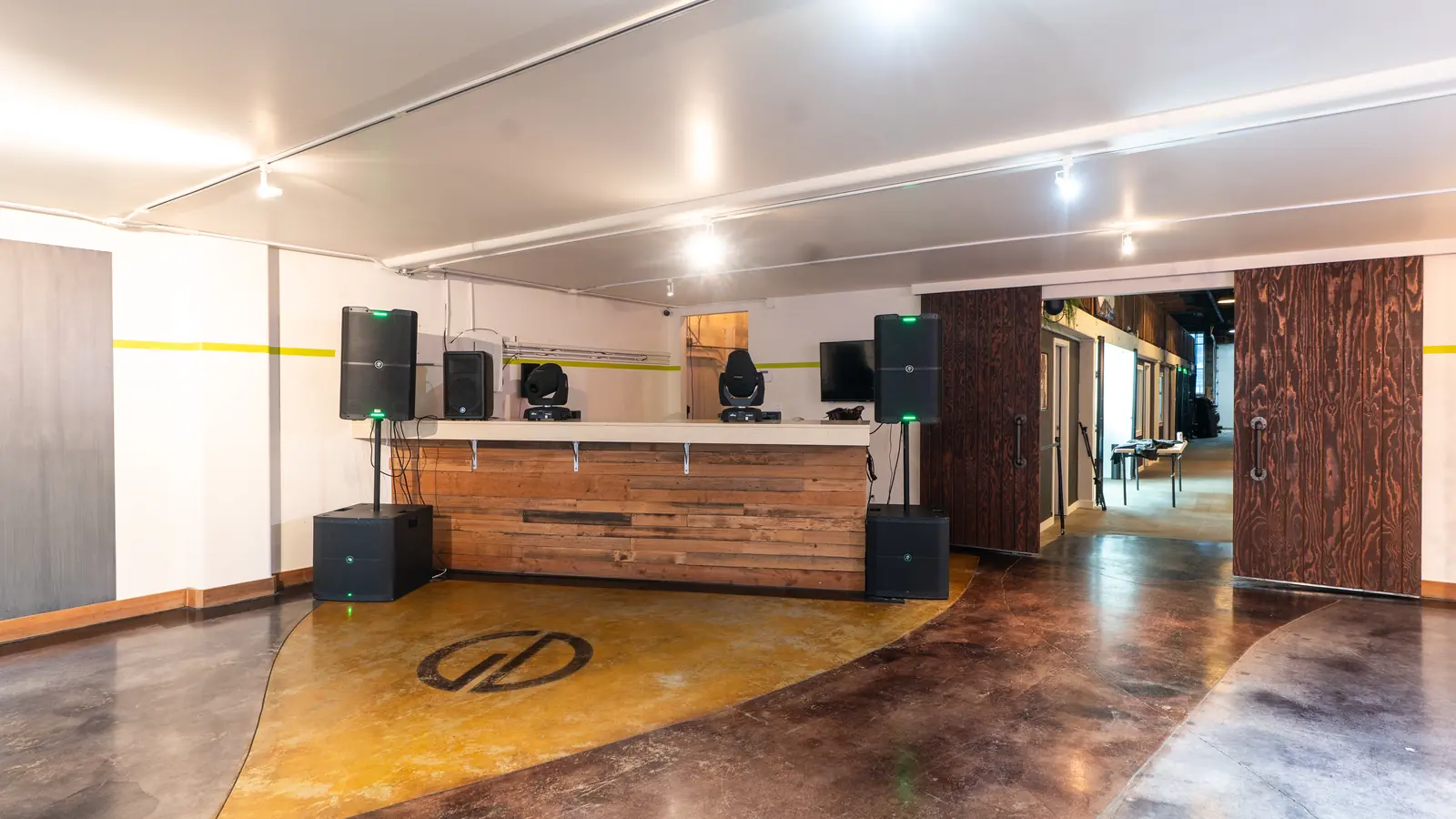
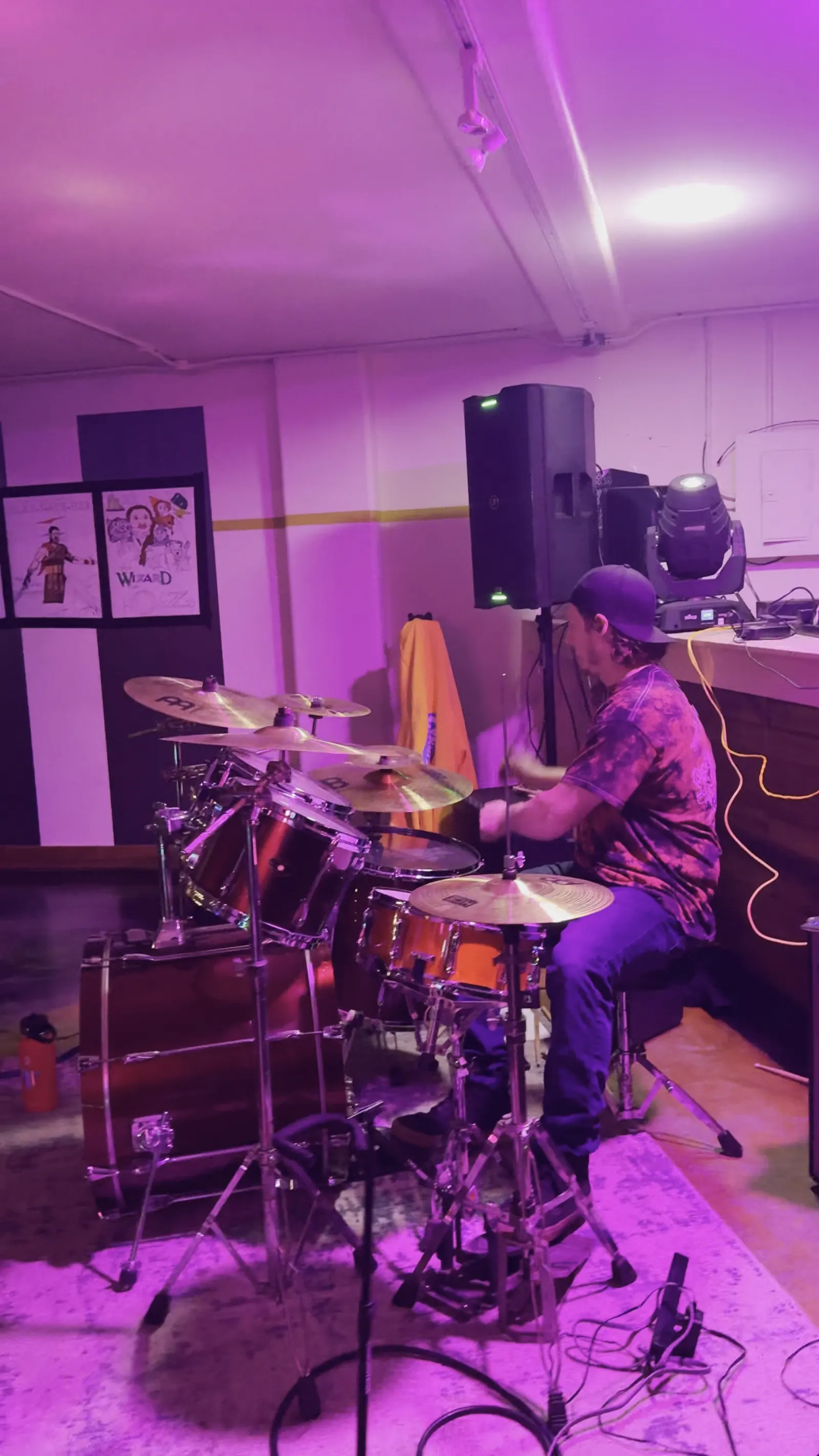
- Included sound: Mackie ProFX12v3 mixer, two Mackie SRM215 V Class speakers, two Mackie Thump118S 1,400 watt 18 inch subwoofers and one microphone.
- DJ gear: a Pioneer DDJ RX2 controller. No CDJs in house, so a DJ who needs them brings their own.
- Lighting: Chauvet Colorband Pix M bars, eight Chauvet Slimpar 56 pars, two Chauvet Intimidator Spot 355Z moving heads and four wash lights.
- Your own gear: welcome. If anything of ours needs to be unplugged or moved, the studio manager on site handles it.
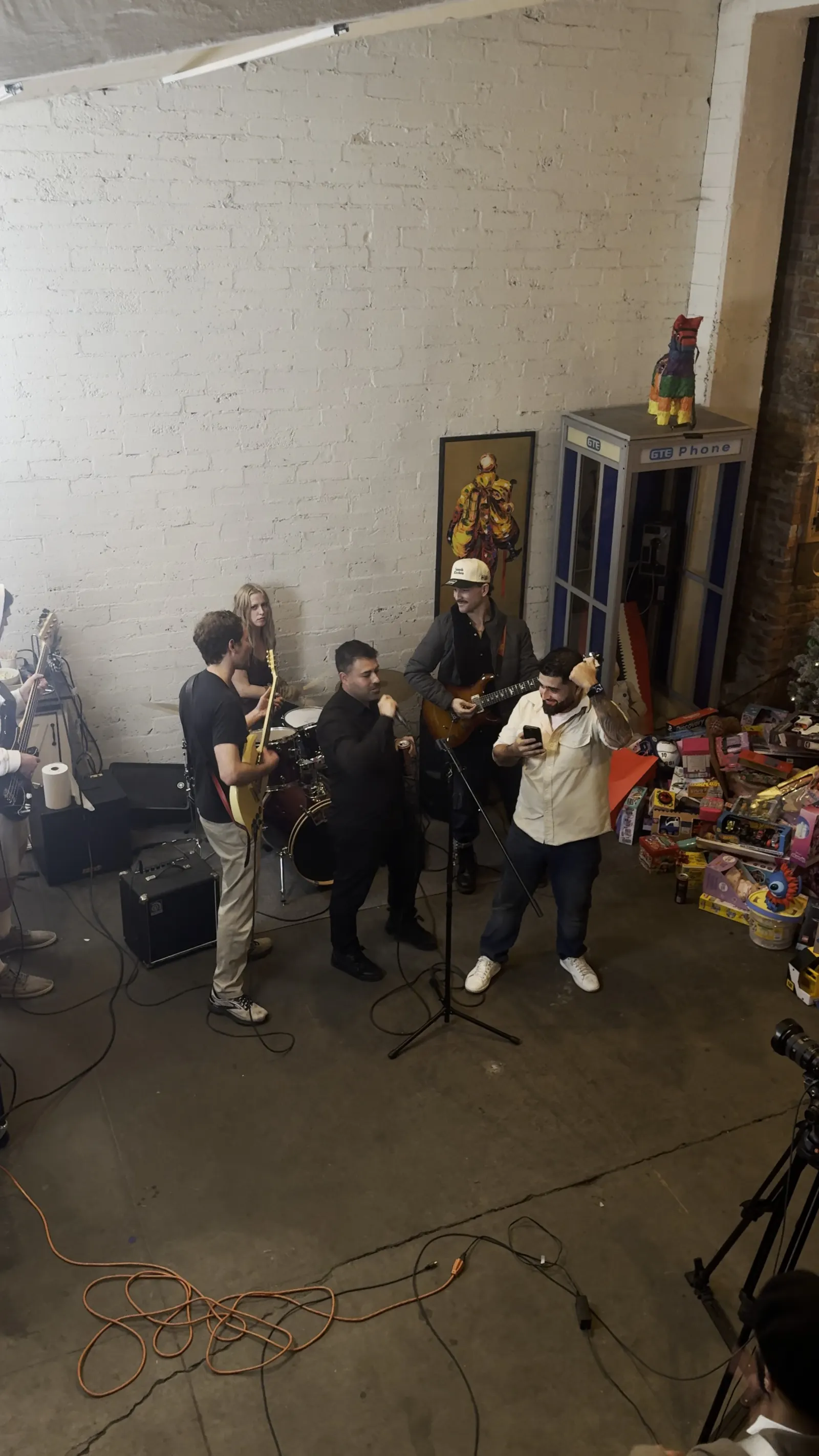
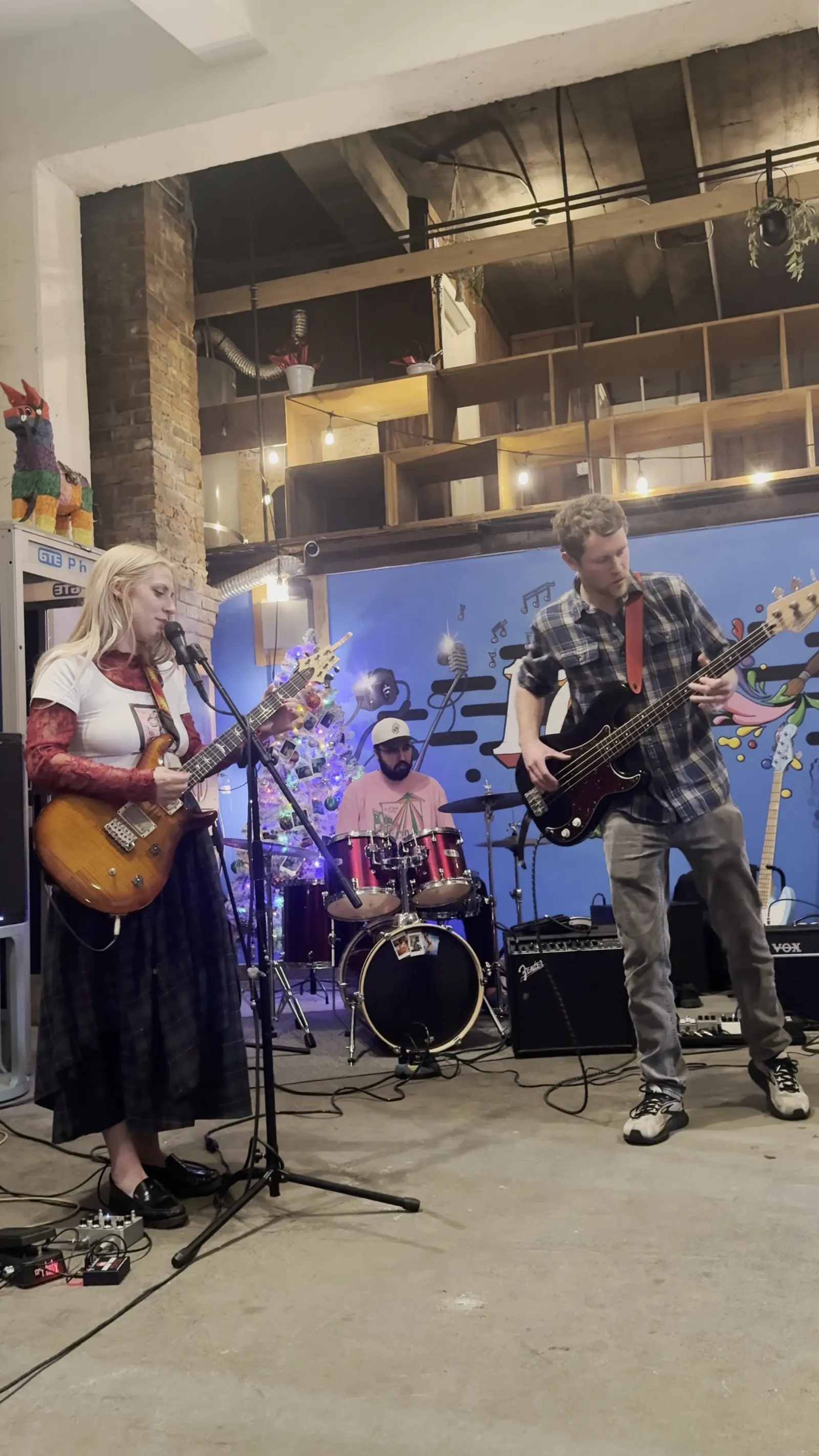
- Stage: there is no built in stage. There is a spot in the Back Venue where most clients set up their own, and Grand Event Rentals rents stages.
- Volume: music and DJs are welcome, and there is plenty of space to turn it up inside. It is a shared building, so the music cannot be loud enough to hear outside, and repeated complaints can end an event early.
- End time: events can run until 2am.
- Load in: through the roll up door at the back. Setup happens inside your booked hours, or add setup hours before guests arrive at $250 flat. Setup hours are only for time with no guests in the building. Any hour with guests is a staffed hour.
- Effects: no fog, smoke, haze, glitter, confetti or open flames.
- Performers: there is a private dressing area and a separate backstage space where performers can wait, plus WiFi.
Price: every package is six hours with the sound system and DJ booth, the 110 inch screen, licensed bartenders, a security guard in every space you open, tables and 80 chairs, a manager on site and the cleaning. No service charge. The Main Hall for up to 120 is $1,750 Sunday to Thursday, $1,950 Friday and $2,950 Saturday. Add the Back Venue, where most bands play, for up to 250 at $2,650, $2,950 and $3,950. At private, invitation only events you bring your own bottles and our licensed bartenders pour.
"I hosted an intimate show here and everything went smoothly from start to finish. Having an event space that genuinely wants to see you succeed is top tier."
Thando M., Google review, March 2026
Not the right fit if you want a loud rock show where volume is the whole point, or a band that needs a big built stage waiting for them. A music club does that better.
See all the details on 1712 Studios for corporate events, the house rules in the 1712 FAQ, and load in and parking on getting to 1712 Studios. Running an awards show before the band? See the awards night setup.
Frequently Asked Questions
Are there Seattle corporate event venues that allow a live band or DJ?
Yes. Many do, including 1712 Studios in SODO, which includes a Mackie sound system, a DJ booth with a Pioneer controller and Chauvet lighting in every package, and lets bands and DJs bring their own gear.
What should I ask a venue about sound limits?
Ask whether there is a volume limit and who enforces it, what happens if a neighbor complains, what time the music must stop, whether your performers can plug into the house system, and whether load in and sound check come out of your booked hours. Get the answers in writing.
Does 1712 Studios have a stage?
No built in stage. There is a spot in the Back Venue where most clients set one up, and Grand Event Rentals rents stages.
How late can music play at 1712 Studios?
Events can run until 2am. The one rule is that music cannot be heard outside the building, since it is a shared building.
Footprint and setup times are general rules of thumb. Your band's rider has the final word. Written by the team at 1712 Studios.